PepetGrillo
A companion-robot concept for dogs left home alone, paired with a mobile app for remote play, monitoring, and streaming.
- Role
- Product Designer
Dogs Left Alone Get Anxious, Bored, or Destructive
Dogs left home alone can develop separation anxiety, which shows up as excessive barking, house-soiling, and destructive behavior — a well-documented problem for owners with limited time to spend with their dogs.
Approach
Rather than design a generic toy, the project ran small experiments with real dogs to find which stimuli actually held their attention — testing movement, sound, texture, smell, and temperature independently. Movement and texture consistently won; pre-recorded human voices confused dogs, while animal sounds made them alert and curious. Those findings shaped a ball-shaped robot (wheels, camera, speaker, ultrasonic sensors) paired with a companion mobile app.
How It Works
Owners set up a profile for their dog (name, size, age, activity level) and choose a PepetGrillo personality — herder, explorer, or hunter — which calibrates its behavior and voice. The robot reacts to specific dog actions: barking gets a playful bump and growl, whining gets a soothing response, boredom triggers play prompts. The companion app lets owners turn it on remotely, get activity notifications, watch a live stream, and save highlight clips — and the robot returns to its charging module on its own when its battery runs low.
Interfaces
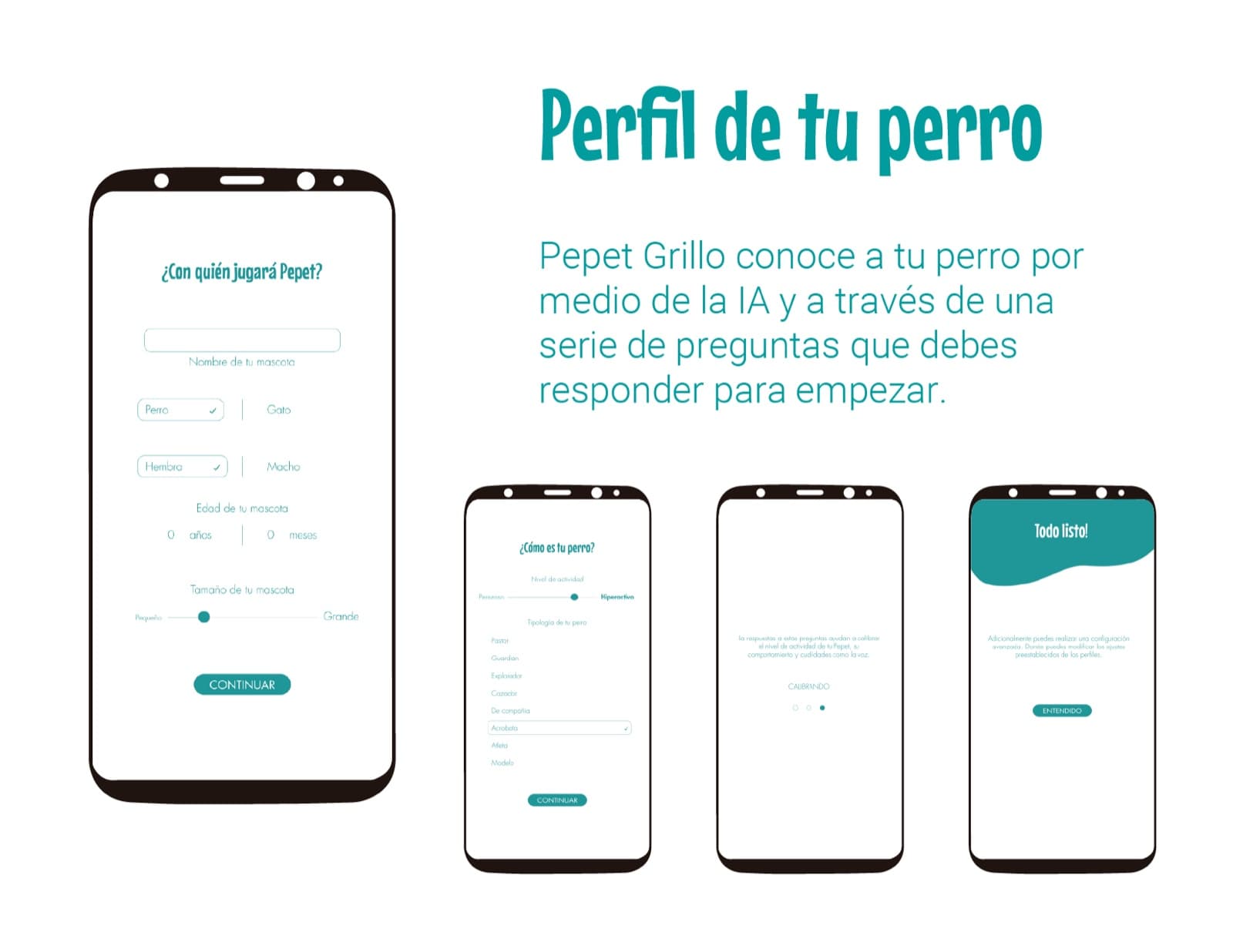
Set up your dog's profile
Onboarding: name, sex, age, size, and activity level — the profile the robot's behavior is calibrated against.
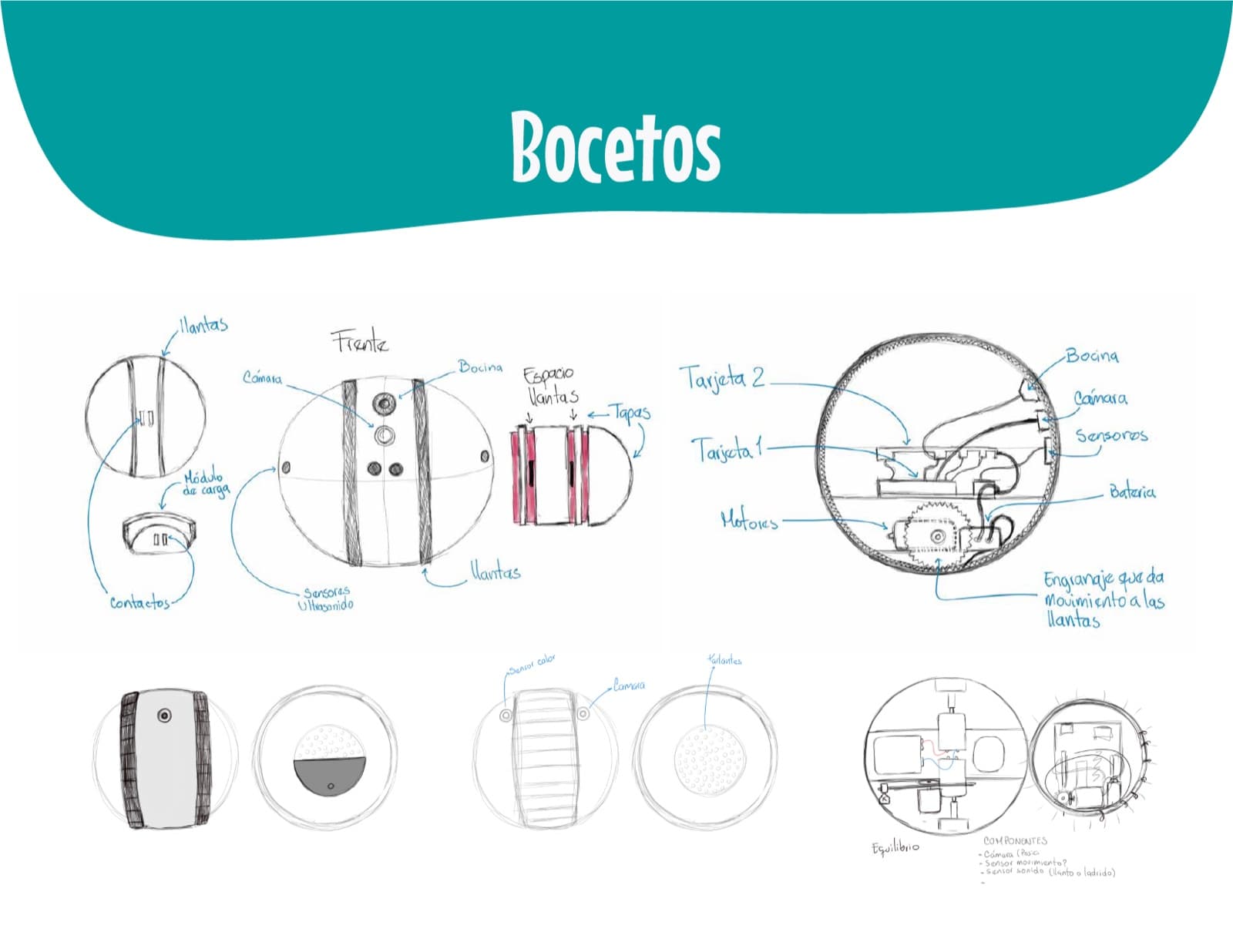
Activity tracking and voice personalization
Daily activity stats, plus advanced settings to customize PepetGrillo's voice, tone, and volume.
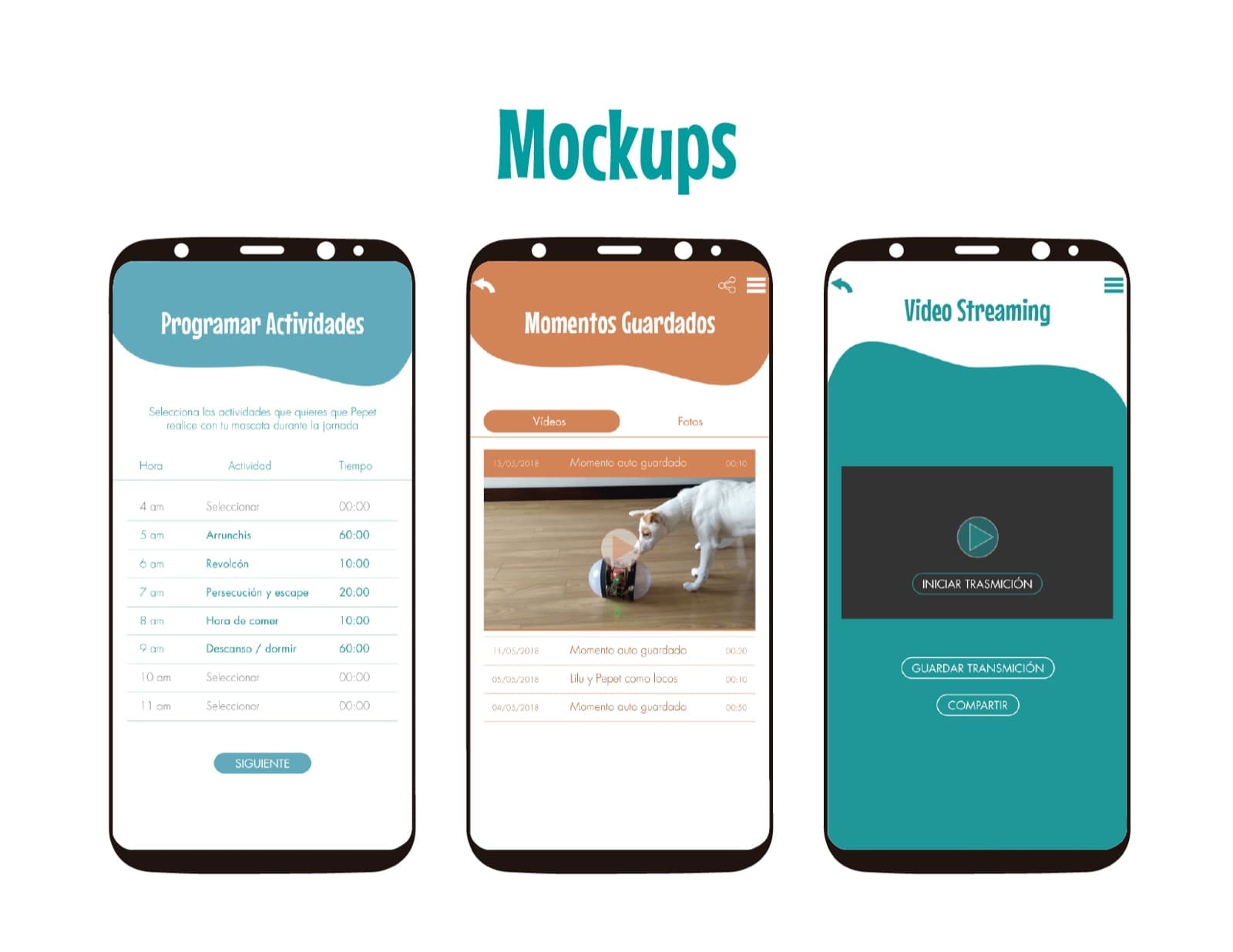
Hardware sketches
Early sketches of the robot's body — wheels, camera, speaker, sensors, and a charging module.
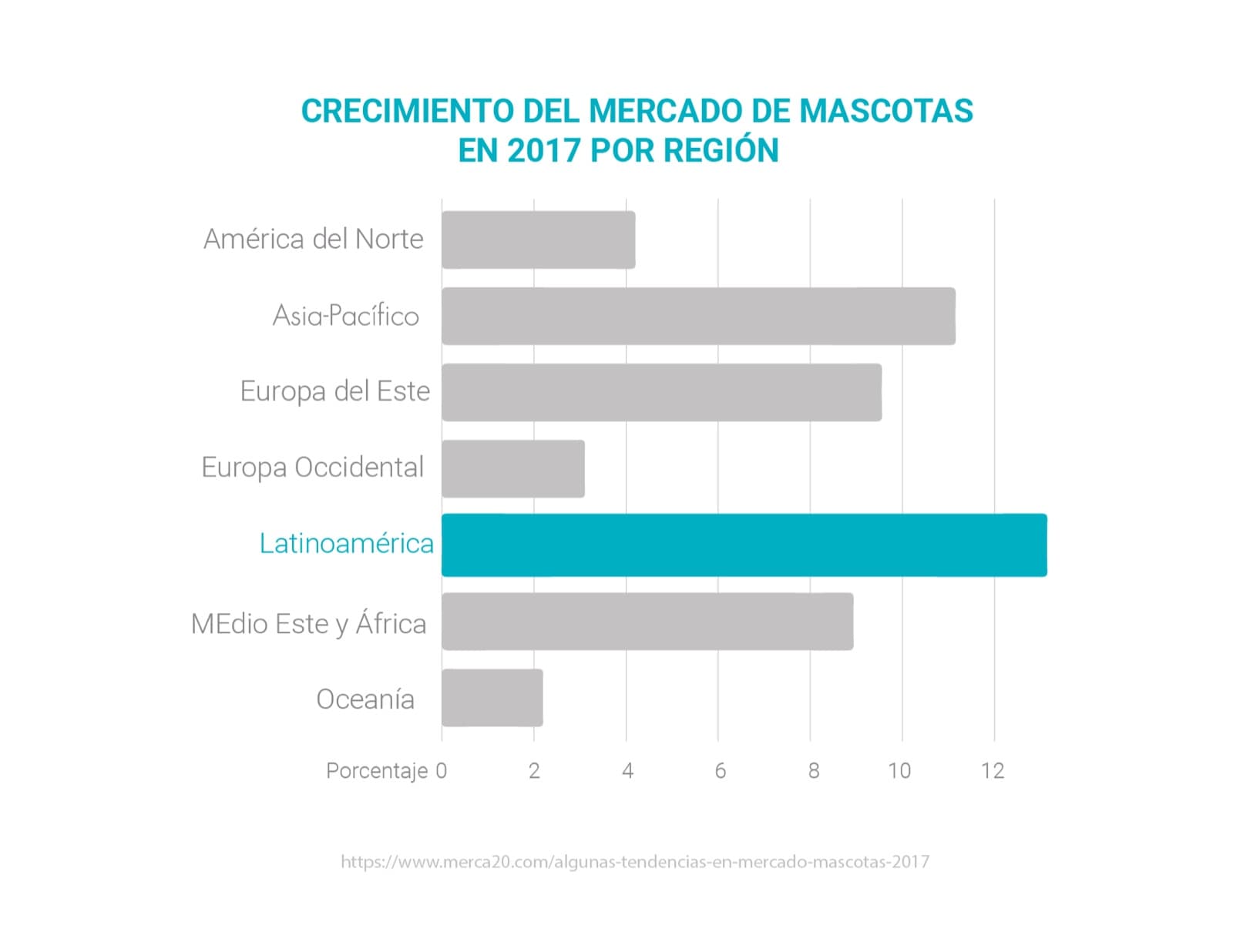
Market research
Latin America's pet-market growth rate, among the fastest of any region, informed the case for the concept.
Watch It In Action
PepetGrillo concept video
PepetGrillo prototype in action
Impact
Reflection
The experiments mattered more than the sketches. It would have been easy to guess what a dog finds engaging and design around that guess — running small tests with real dogs first meant the physical form (something that moves and has real texture, not a static box) came from evidence instead of assumption.